
Discipline Beats Motivation: Here’s Why It Matters

Most people start training with motivation. They feel inspired, excited, and ready to change their lives. For a few days or a few weeks, everything feels easy.
Then life happens.
Energy drops. Work gets busy. Stress builds. Progress slows. And suddenly, motivation disappears. This is where most people stop training, not because they are incapable, but because they were relying on the wrong thing.
Motivation is temporary. Discipline is consistent.
Motivation depends on how you feel. Discipline depends on what you do, regardless of how you feel.
The people who make real progress in fitness, karate, kickboxing, or any training environment are not the ones who always feel motivated, they are the ones who show up anyway.
They train on good days and bad days. They train when they feel strong and when they feel tired. That consistency is what creates results.
Why motivation fails
Motivation is not the problem, it just isn’t designed to carry you long-term.
It fades when:
Results are slow
Life gets stressful
You miss a few sessions
You don’t feel progress immediately
This creates a cycle where people start, stop, and start again, never building momentum.
What discipline actually looks like
Discipline is not extreme. It’s not about being perfect. It’s about structure.
It looks like:
Turning up even when you don’t feel like it
Following a routine instead of relying on mood
Doing the work consistently, not occasionally
Accepting that progress takes time
This is where real change happens.
The SLK mindset
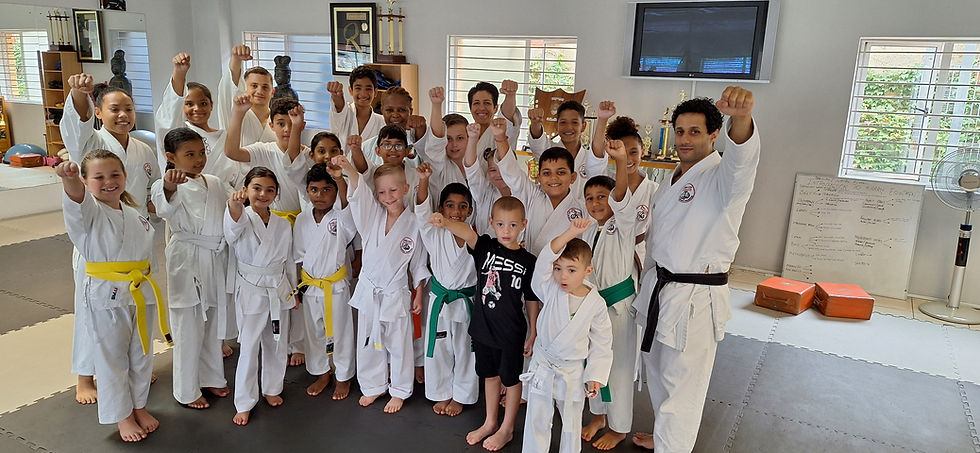
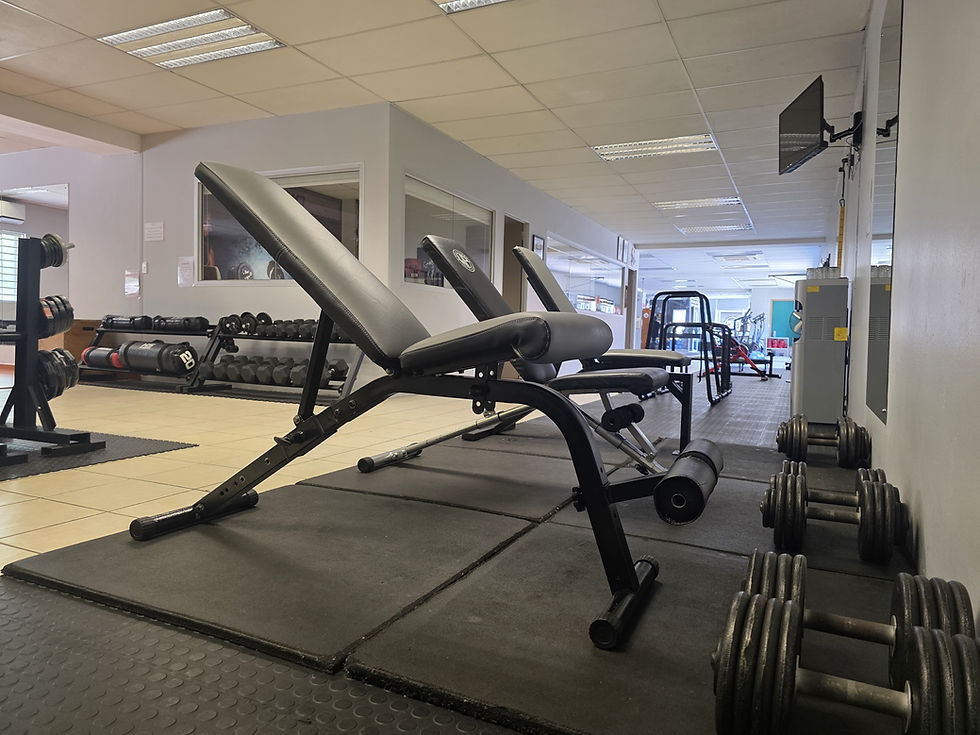
At SLK, we see this every day across our karate, kickboxing, and functional training members.
The people who progress the most are not always the most talented or the most motivated—they are the ones who stay consistent.
Over time, discipline builds:
Confidence
Strength
Fitness
Skill
Mental resilience
Final thought
Motivation might get you started, but it will not carry you through.
Discipline is what keeps you going when motivation is gone.
And that is where real transformation happens.

Comments